
Notable Matches · Iconic discoveries
The Chalcolithic Anatolians of Arslantepe
The Chalcolithic Anatolians of Arslantepe (c. 3950-3050 BCE · Arslantepe (Melid), Battalgazi, Malatya, Turkey): what the published ancient DNA shows, 12 sequenced genomes, and how close your own Global25 coordinates come. Free with every Ancestry Map.
The dossier
- Catalog tier
- Iconic discoveries
- Period
- c. 3950-3050 BCE
- Found
- Arslantepe (Melid), Battalgazi, Malatya, Turkey
- Sequenced genomes
- 12 (ART015.AG, ART042.AG, ART012.AG, ART032.AG, ART018.AG, ART026.AG, ART022.AG, ART014.AG, ART017.AG, ART005.AG, ART019.AG, ART023.AG)
Who they were
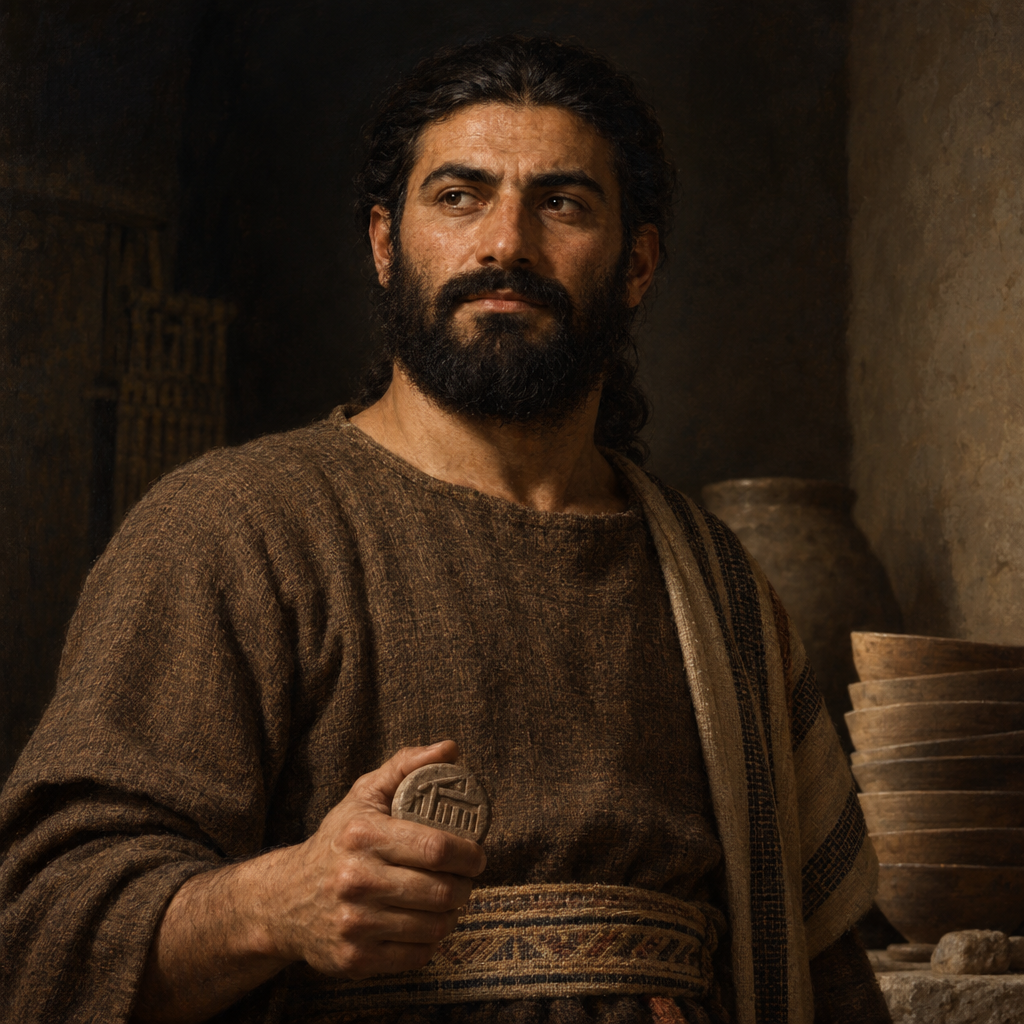
Arslantepe, ancient Melid, rises above the Malatya plain and joined the UNESCO World Heritage list in 2021 for good reason. Its Late Chalcolithic palace, with mass-produced bowls and hundreds of clay sealings, is among the earliest evidence anywhere for centralised administration, and its so-called Royal Tomb of about 3000 BCE yielded arsenical-copper swords, three inlaid with silver, the oldest swords known. The genomes tell a quieter story: while the northern Levant was being transformed by newcomers, eastern Anatolia stayed continuous through the Chalcolithic, with only transient gene flow passing through. These twelve men and women lived in the centuries when the palace was built.
The genome-wide data behind this entry was published in Genomic History of Neolithic to Bronze Age Anatolia, Northern Levant, and Southern Caucasus.
How your distance is measured
Every Ancestry Map includes the free Notable Matches lens: your coordinates are compared to every sequenced member of every catalog entry, and the distance to the closest member is reported, a Euclidean distance in the same 25-dimensional space the Distance lens uses. Because these are a small group of real individuals, not a population average, distances naturally run larger than population distances. That is expected, not a poor result. And one thing is never claimed: a small distance means similar ancestry composition, not that the Chalcolithic Anatolians of Arslantepe are your ancestor. See how it looks in the live demo or read about Ancestry Map, the full Global25 report.
Questions
Who were the Chalcolithic Anatolians of Arslantepe?
The Chalcolithic Anatolians of Arslantepe (c. 3950-3050 BCE, Arslantepe (Melid), Battalgazi, Malatya, Turkey) are one of the Iconic discoveries entries in our Notable Matches catalog, represented by 12 sequenced ancient genomes published in the study "Genomic History of Neolithic to Bronze Age Anatolia, Northern Levant, and Southern Caucasus".
What does "matching" the Chalcolithic Anatolians of Arslantepe mean?
Your Global25 coordinates are compared to the entry's sequenced members and the distance to the closest one is reported, a Euclidean distance in the same 25-dimensional reference space the Distance lens uses. A notable entry is one person or one small burial group, not a population average, so distances naturally run larger than population distances.
Are they my ancestor?
No, and no DNA test can show that. A small distance means your genome sits near theirs in a shared reference space: similar ancestry composition, not descent. Ancestrify never claims a notable individual is your ancestor or relative.
How do I see my own distance to the Chalcolithic Anatolians of Arslantepe?
Notable Matches is a free lens on every Ancestry Map, never sold separately. Order Ancestry Map, our Global25 analysis (29.99 EUR), and your report ranks your coordinates against the full catalog, with a portrait, dossier and map for every entry. The public demo shows the lens with example data.
More from the catalog
The catalog holds every published entry across three tiers. Browse the full Notable Matches directory. Nearby entries:
The Long Barrow Buildersc. 3700-3400 BCE
The Yangshao Farmers of Baligangc. 4100-3000 BCE
Ötzi the Icemanc. 3350-3120 BCE
The Maykop Culturec. 3600-3000 BCE
The Newgrange Chieftainc. 3200 BCE
The Cucuteni-Trypillia Mega-Settlementsc. 4300-3500 BCE
The Megalith Farmers of Falbygdenc. 3300-2800 BCE
The Collective Tomb of Buryc. 3200-2500 BCE
The Ancient City of Tepe Hissarc. 3600-2400 BCE
The Seal Hunters of Gotlandc. 3000-2700 BCE
The Family of Koszycec. 2950-2700 BCE
The Tren Cave Dwellersc. 4250-4150 BCE