
qpAdm source populations
Ancestry populations
The 68 populations Ancient Ancestry, our qpAdm analysis, can write your genome as a mixture of, archaeological groups with published ancient DNA wherever the record holds them and present-day genomes standing in where it does not, across 2 eras, and a catalog that files your result under every sovereign state.
What a source population is
qpAdm asks one formal question: can your genome be written as a mixture of a handful ofsource populations, to within statistical noise, when tested against a fixed set of outgroups? Each population below is one such source, a group of sequenced individuals pooled as a reference: ancient individuals from one archaeological context wherever the record holds them, and present-day genomes standing in for the few periods where it does not, which the page of each says. A source population is a reference the model tests against, never a statement about who your ancestors were: Ancestrify never claims a population is your ancestor. The catalog your result is filed under covers every sovereign state, 199 countries, 1,119 regions. See how it reads in the live demo.
Classical Antiquity
Represents the historically attested peoples and cultures from the Iron Age through the late Roman and early Medieval periods (~800 BCE–700 CE) whose genetic profiles have been reconstructed through archaeogenomic sampling across the Mediterranean, Balkans, and wider Europe.

Aegean (BC 200 - 600 AD)
The Greek-speaking populations of the Aegean islands and coasts in the Hellenistic, Roman and early Byzantine centuries.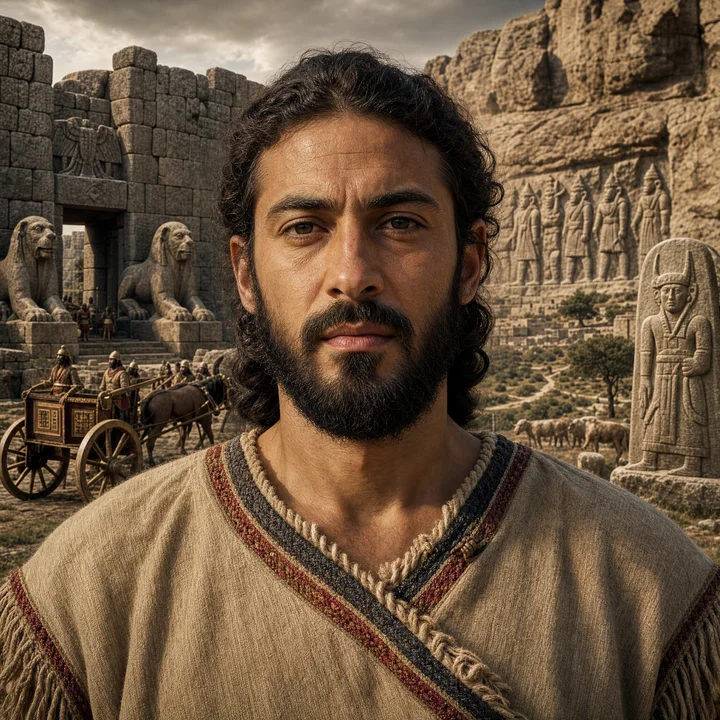
Anatolian (1800 - 300 BC)
The Bronze and Iron Age peoples of Anatolia, from the Hittite kingdoms to the Persian satrapies, before Hellenisation.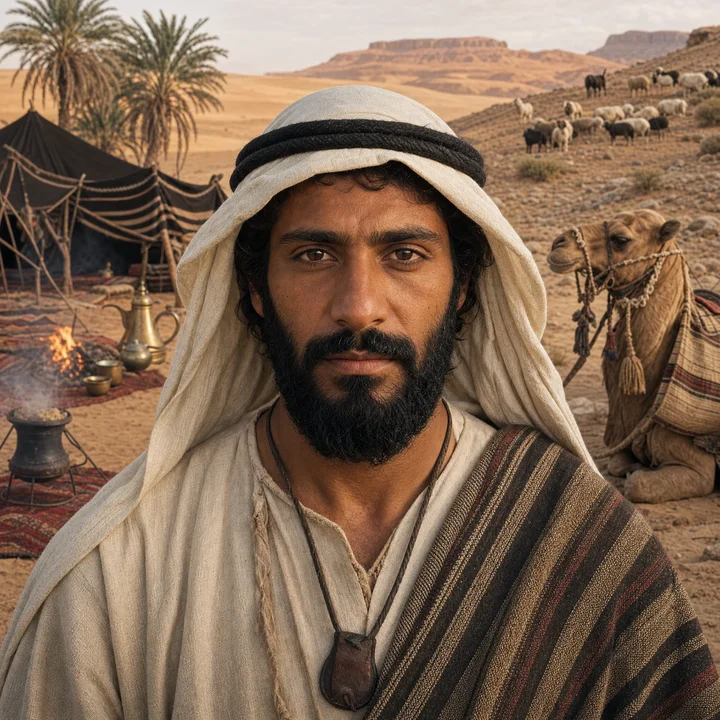
Arabian Peninsula (0 - 600 AD)
The peoples of the Arabian Peninsula in the centuries before Islam, heirs to a deep Natufian-related lineage with Iranian and African admixture, represented by present-day Bedouin genomes.
Baltic (BC 200 - 600 AD)
The Iron Age peoples of the eastern Baltic, the forerunners of the Balts, in whom Europe's highest hunter-gatherer ancestry survived.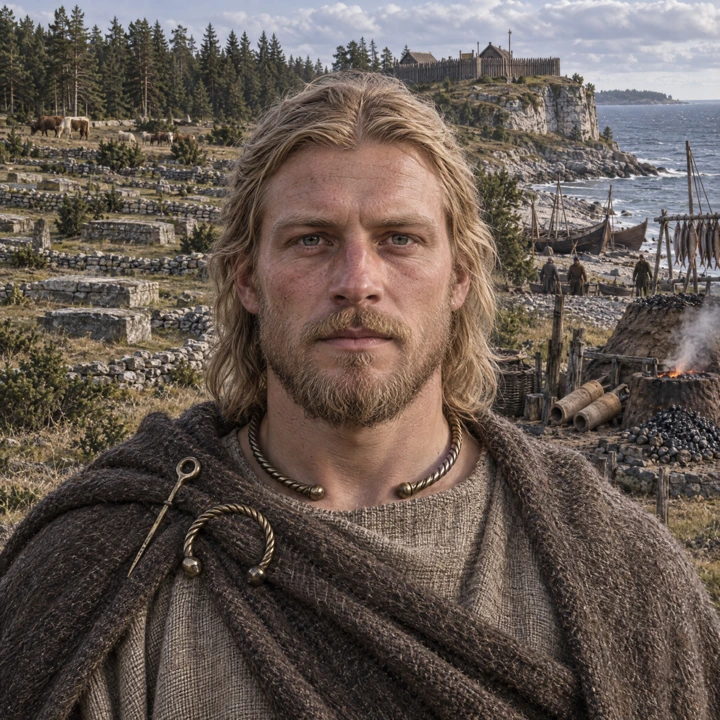
Baltic Finnic (500 BC - 450 AD)
The Finnic-speaking people of Iron Age Estonia, known from their stone tarand cemeteries, and the ancestors of Estonians and Finns.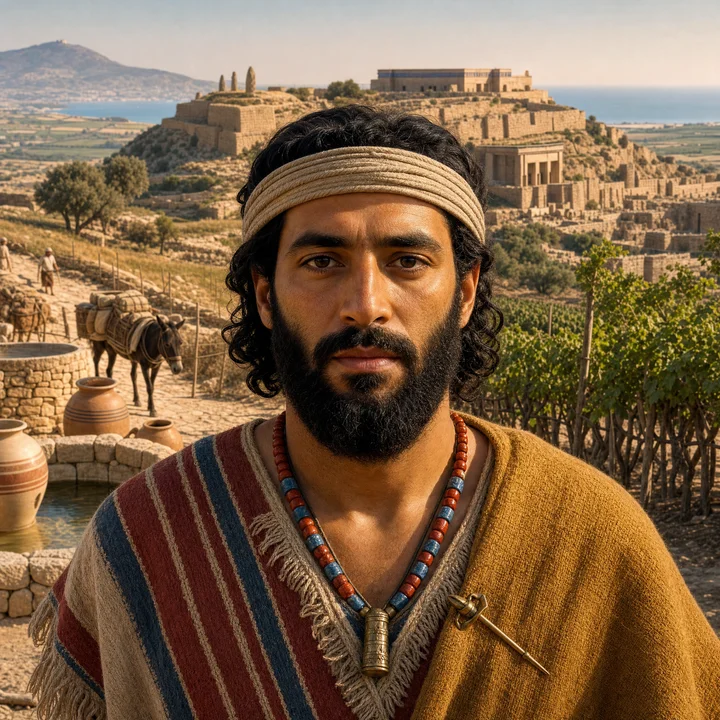
Canaanite (2000 - 1200 BC)
The Bronze Age city-dwellers of the southern Levant, the ancestral population of the Israelites, Phoenicians and every later Levantine and Jewish community.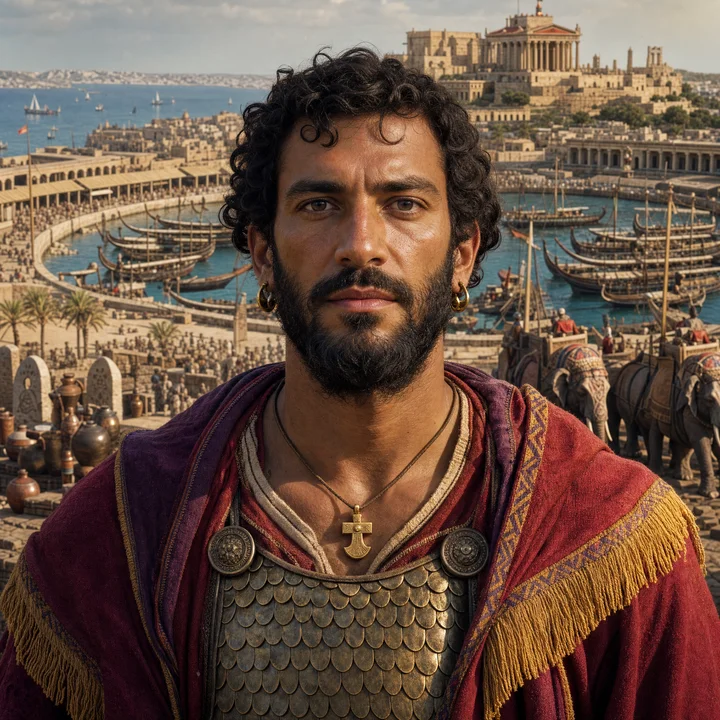
Carthaginian (800 - 150 BC)
The Punic population of Carthage and its western Mediterranean colonies, a genetically diverse maritime society with deep North African and Aegean roots.
Continental Celt (800 - 50 BC)
The Hallstatt and La Tène populations of Gaul and Central Europe, the Iron Age Celts of the continent before the Roman conquest.
Corinthian (200 - 100 BC)
The Hellenistic Greeks of Tenea in the Corinthia, on the road between Corinth and Mycenae in the second century BC.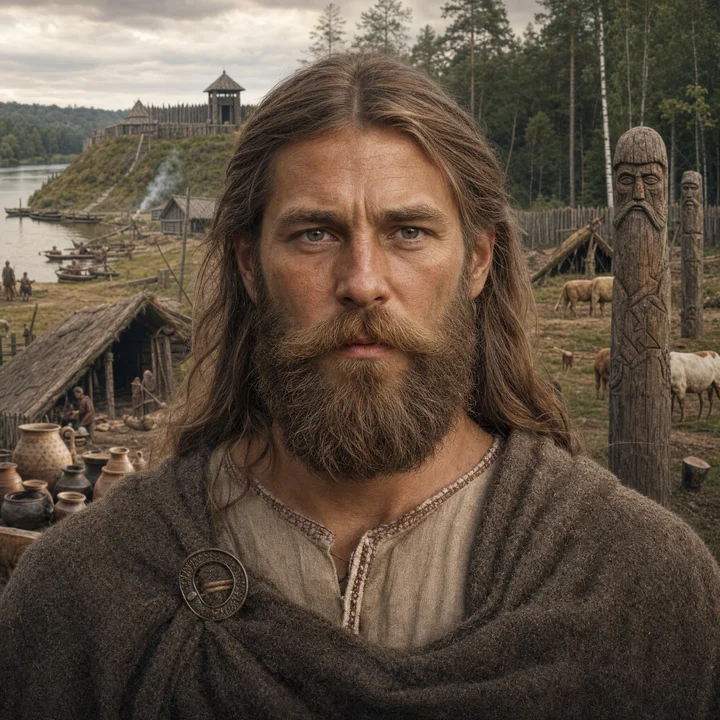
Early Slavic (600 - 1200 AD)
The early medieval Slavs whose expansion from Eastern Europe reshaped the Balkans, Central Europe and the East European plain.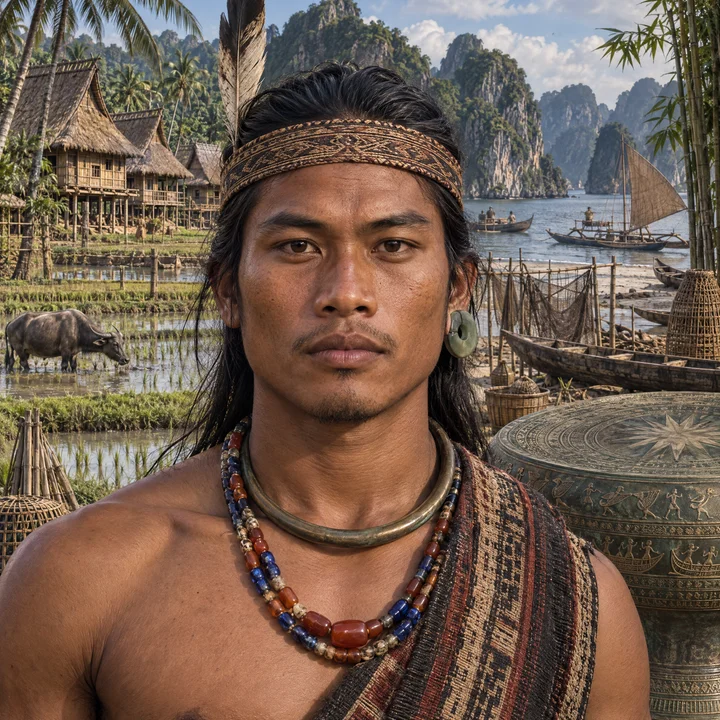
East and Southeast Asian (500 BC - 500 AD)
The Iron Age peoples of Taiwan and mainland Southeast Asia, from the coastal communities of northeastern Taiwan to the Dong Son culture of the Red River and the log coffin burials of the northwestern Thai highlands.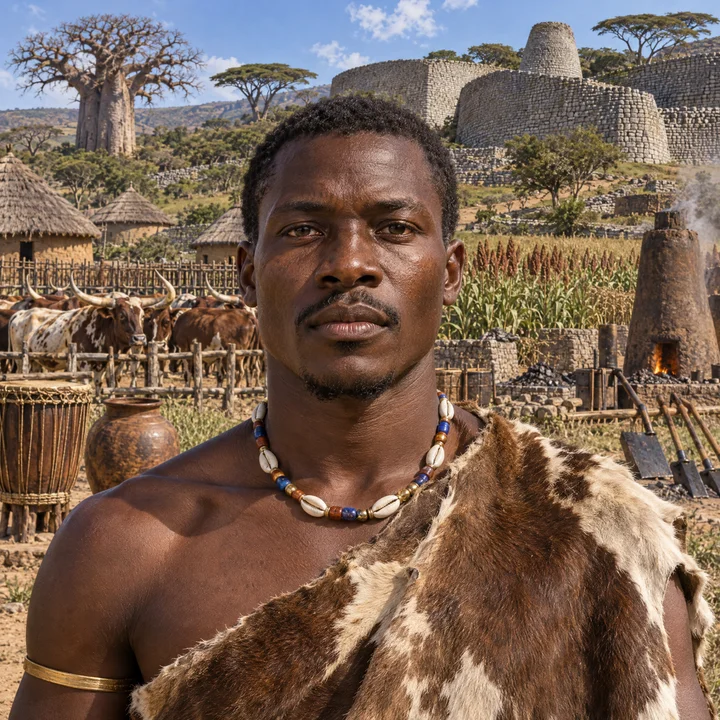
East and Southern Bantu (500 BC - 1500 AD)
The Bantu-speaking farmers, ironworkers and cattle herders of eastern and southern Africa, from the Lake Victoria highlands to Mapungubwe and Great Zimbabwe.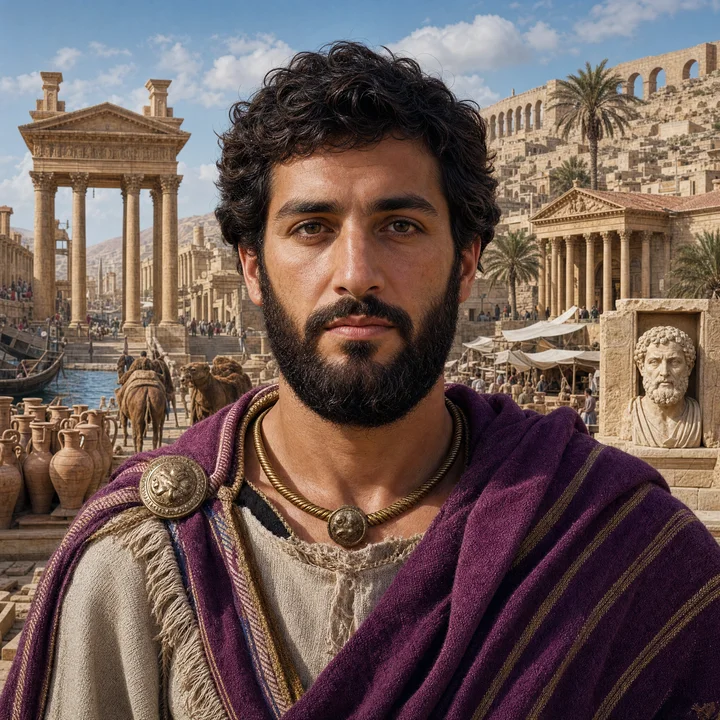
Eastern Mediterranean (0 - 600 AD)
The populations of the Roman and early Byzantine Levant and Cyprus, heirs to the Bronze Age Canaanites with Aegean and Anatolian admixture.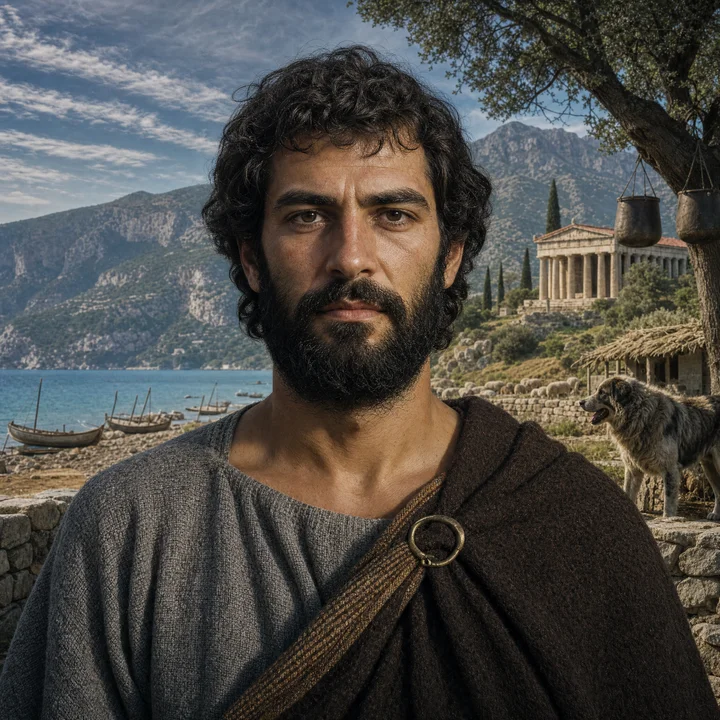
Epirote (500 - 350 BC)
The Classical Greeks of Amvrakia on the Ambracian Gulf, a Corinthian colony in Epirus and the nearest sequenced ancient population to southern Albania.
Finno-Ugric Volga (0 - 400 AD)
The Iron Age peoples of the Volga forests, forerunners of the Finnic and Volga-Finnic speakers, marked by a Siberian-related ancestry and Y haplogroup N.
Gandharan Swat (BC 200 - 300 AD)
The urban Gandharan population of the Swat Valley, from the trade town of Barikot under Indo-Greek, Scythian and Kushan rule.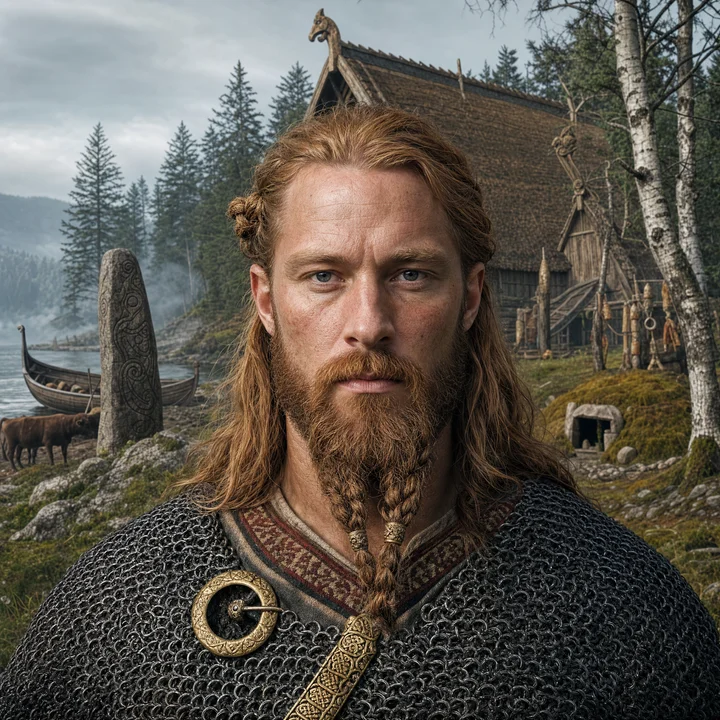
Germanic (0 - 500 AD)
The Iron Age and Migration Period peoples of Scandinavia and northern Germany, from whom the Anglo-Saxons, Franks, Goths and Vikings descended.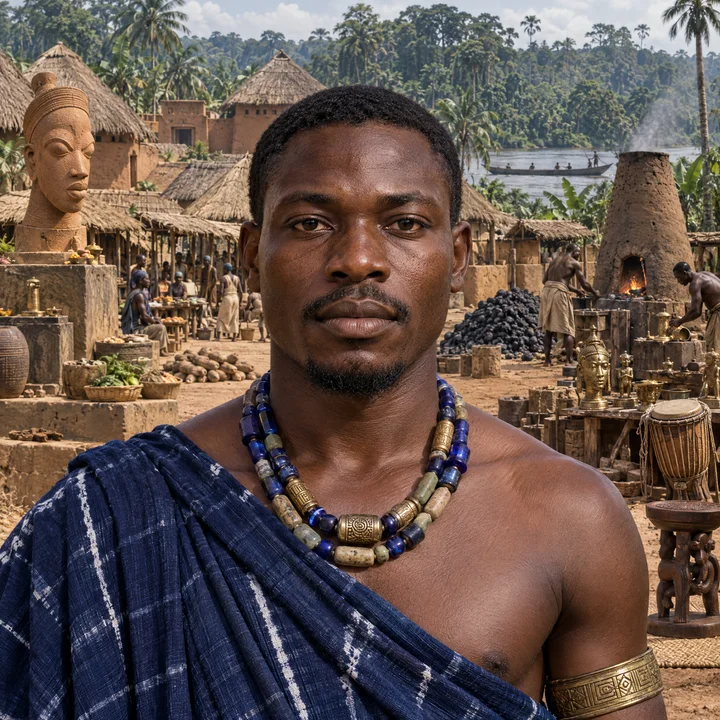
Gulf of Guinea West African (1500 BC - 1500 AD)
The farming and ironworking peoples of the Nigerian forest belt, from the Nok to Ife and Benin, represented by present-day Yoruba, Esan and Igbo genomes.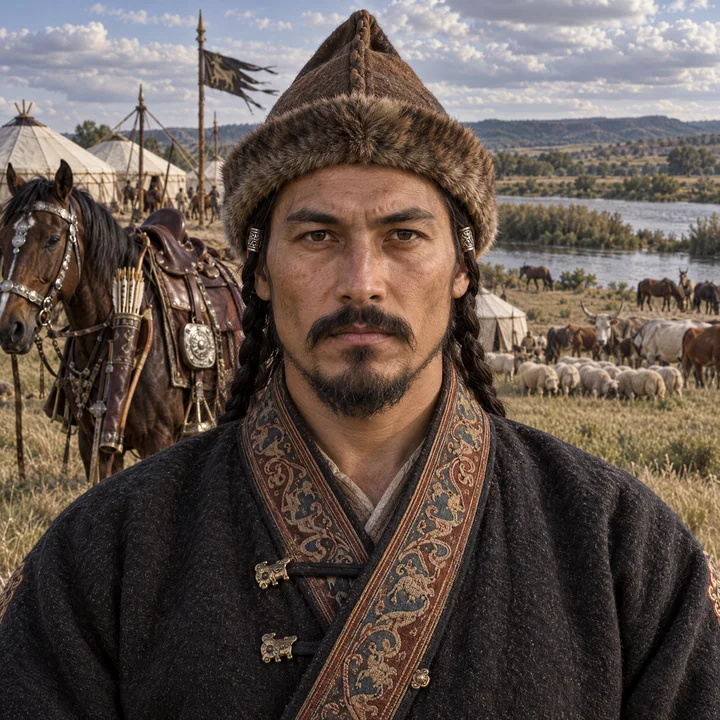
Hungarian Conqueror (895 - 1000 AD)
The Magyar horse riders who took the Carpathian Basin in 895 AD, an elite whose ancestry joined the Ural forest steppe, the Sarmatians and Inner Asia.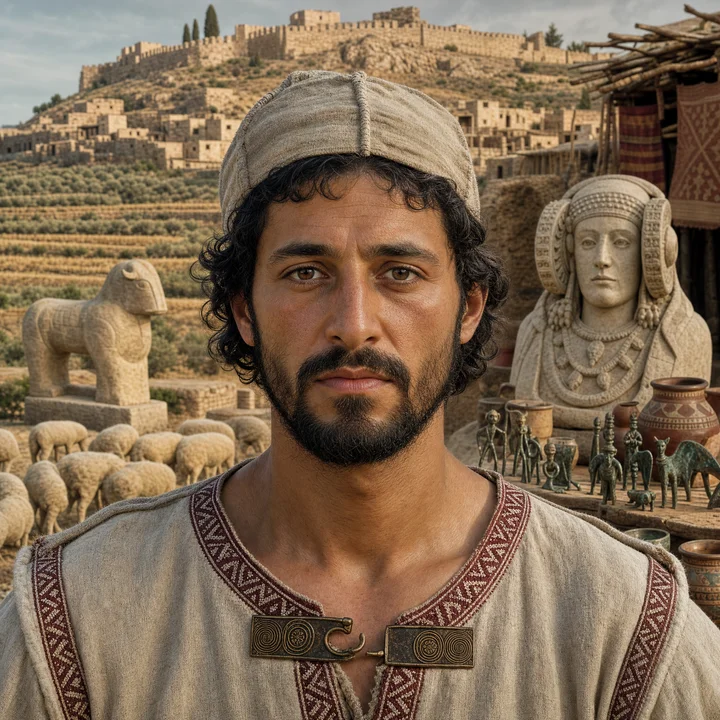
Iberian (800 - 50 BC)
The Iron Age peoples of the Iberian Peninsula (Iberians, Celtiberians and Tartessians) before the Roman conquest.
Illyrian (1200 - 250 BC)
The Bronze and Iron Age peoples of the western Balkans and Adriatic coast, the Illyrians of Greek and Roman sources.
Imperial Italy (0 - 550 AD)
The cosmopolitan population of Roman Italy at the height of the empire, drawn from across the Mediterranean and shifting east with the capital's growth.
Indigenous Berber (300 - 1400 AD)
The Berber-speaking populations of the Maghreb from late antiquity through the medieval period, carriers of the deep North African lineage.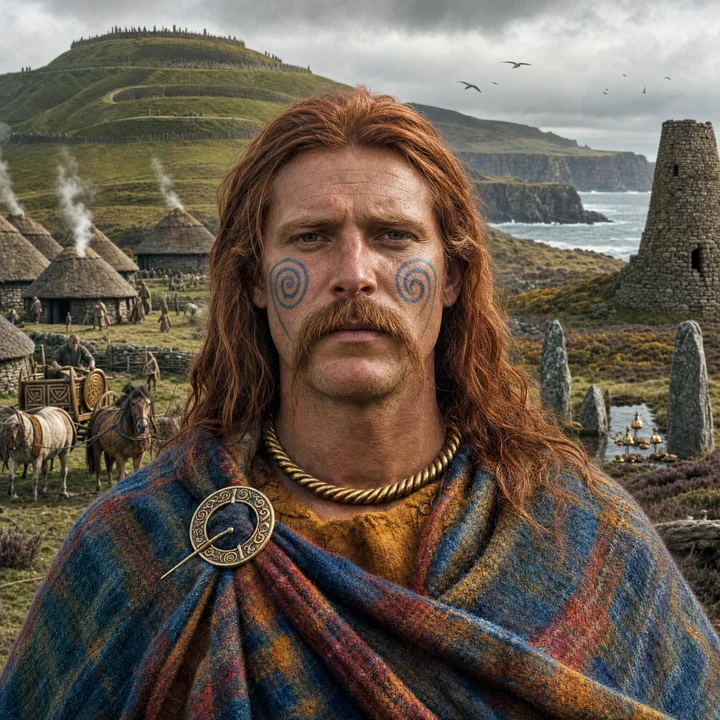
Insular Celt (BC 600 - 100 AD)
The Iron Age peoples of Britain and Ireland, descendants of the Bell Beaker settlers, before and during the Roman conquest of Britain.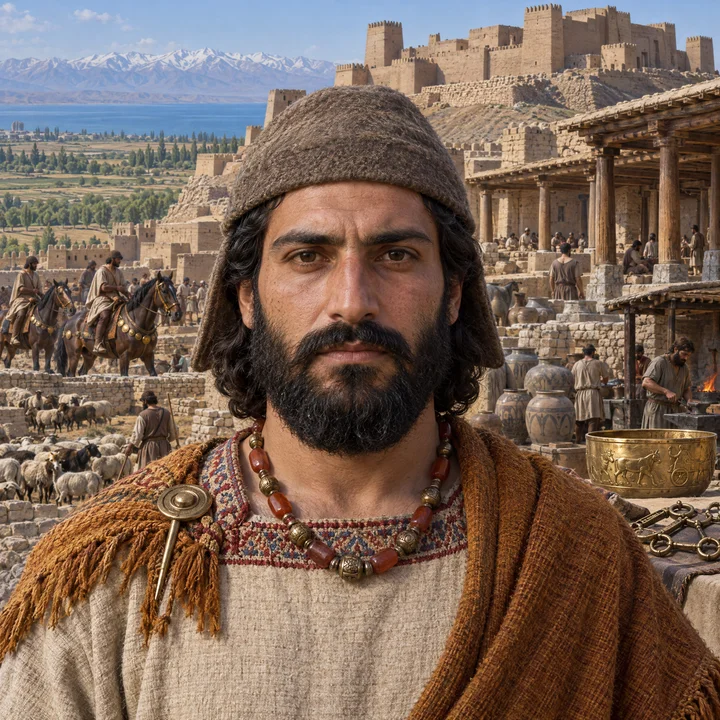
Iron Age Iranian Plateau (1200 - 600 BC)
The Iron Age people of the north-western Iranian plateau, known from the great settlement mound of Hasanlu in the Solduz plain south of Lake Urmia, where a fortified town of columned halls, storerooms and workshops flourished from about 1200 BC until it was stormed and burned around 800 BC, leaving its defenders where they fell beside the famous golden bowl.
Italic Iron Age (900 - 500 BC)
The Italic peoples of Iron-Age Italy before Rome, represented by the Picenes of Novilara on the Adriatic coast (c.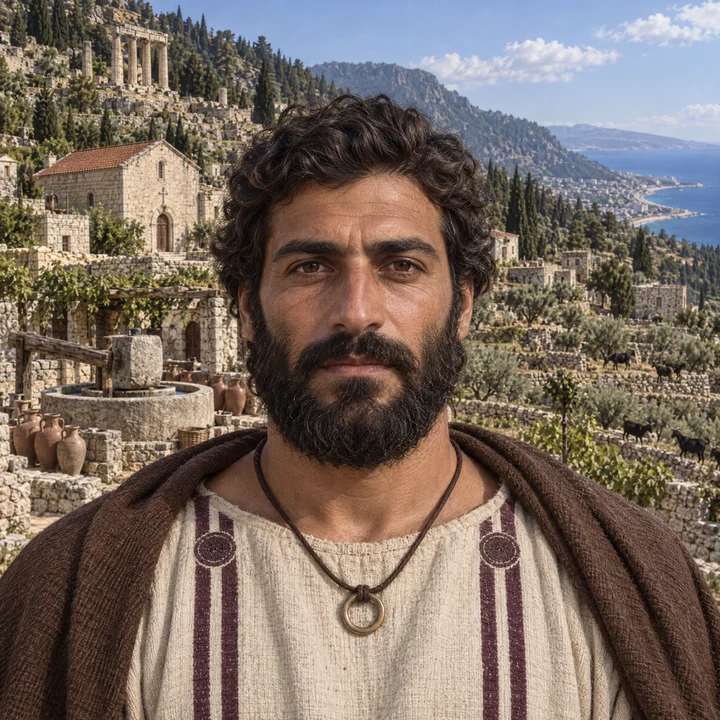
Late Antique Mount Lebanon (430 - 760 AD)
The villagers of Mount Lebanon in the late Roman, Byzantine and early Islamic centuries, heirs to the Levant's Bronze Age Canaanite ancestry.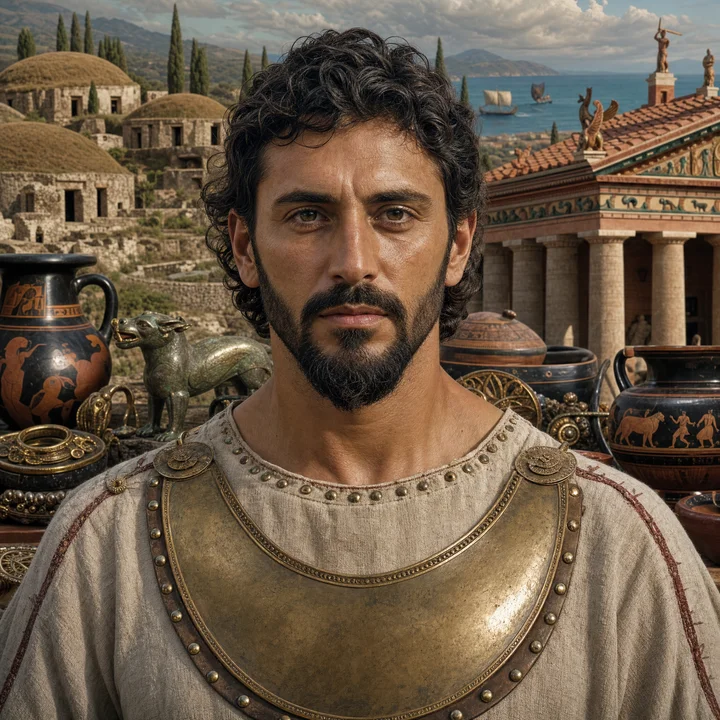
Latin and Etruscan (850 - 150 BC)
The Iron Age peoples of central Italy (Latins, Etruscans and their neighbours) from the founding of Rome to the Republic's Mediterranean conquests.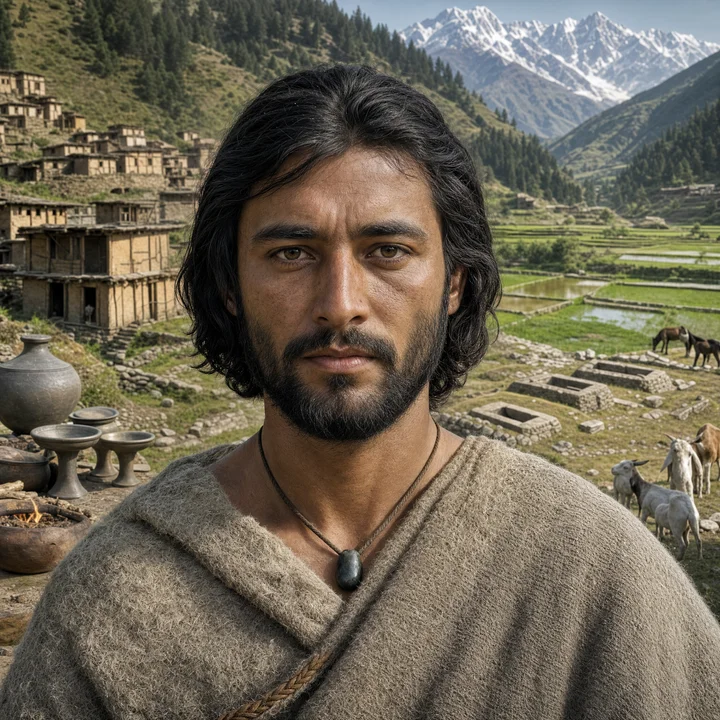
Loebanr Swat Iron Age (1200 - 800 BC)
The protohistoric grave-culture people of the Swat Valley, the best-sampled Iron Age population of northern South Asia and its earliest well-sampled window.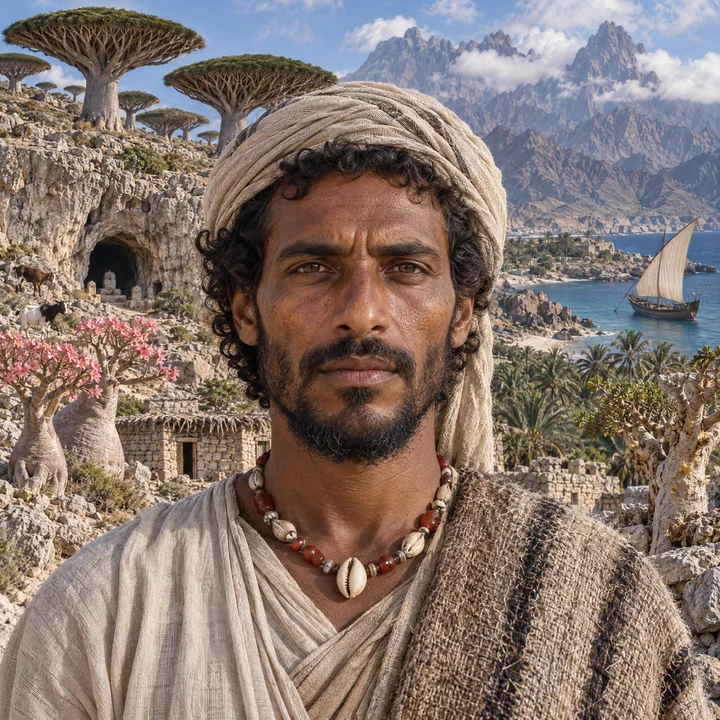
Medieval Socotra (640 - 1300 AD)
The medieval islanders of Socotra in the Arabian Sea, herders and fishers whose ancestry came mostly from the Hadramawt coast of South Arabia.
Moesia Superior (0 - 500 AD)
The Roman provincial population of the central Balkans along the Danube frontier, a cosmopolitan mix of natives, soldiers and eastern migrants.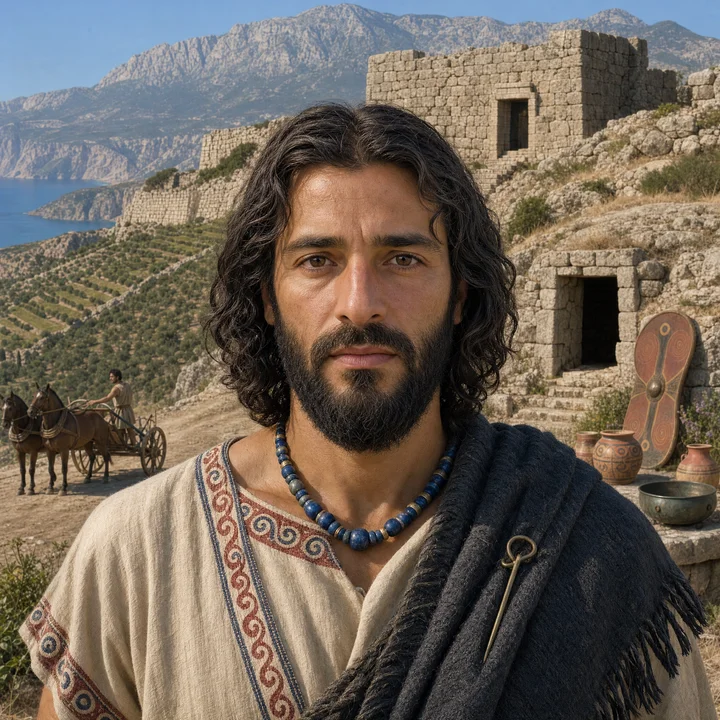
Mycenaean (1300 - 1200 BC)
The Late Bronze Age Greeks of the palace age, known here from the fortified hill of Kastrouli in Phocis above the Gulf of Corinth.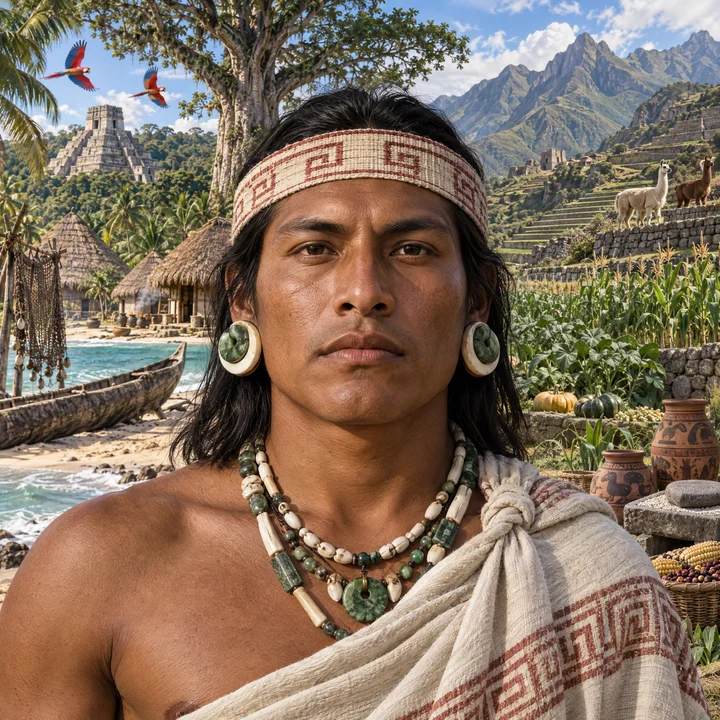
Native American (1500 BC - 1500 AD)
The Indigenous peoples of the Americas in the three thousand years before European contact, from Caribbean islanders and the Maya to Andean peoples.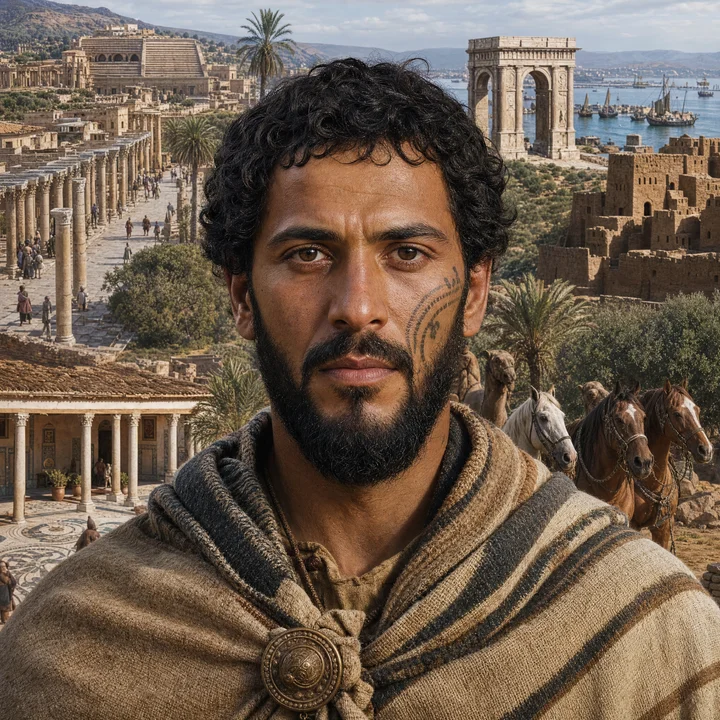
Numidian Berber (0 - 500 AD)
The Berber-speaking population of Roman North Africa (Numidia and Mauretania) before the Arab conquest.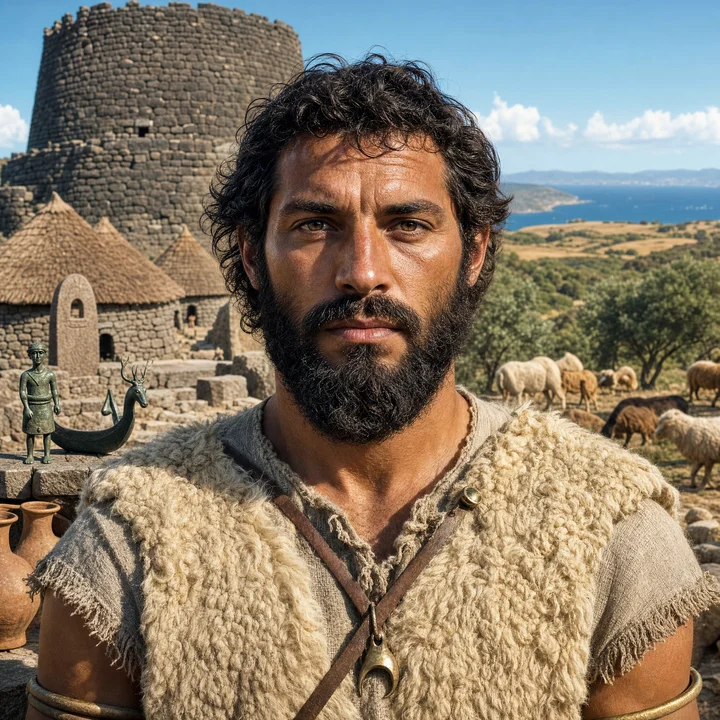
Nuragic Sardinian (1800 - 700 BC)
The Bronze Age tower-builders of Sardinia, a population that preserved Europe's Neolithic farmer ancestry more completely than anywhere else.
Parthian Iran (BC 250 - 200 AD)
The people of the Iranian plateau under the Arsacid kings, sampled at Liar Sang Bon in Gilan, the Classical era reference for Iran itself.
Peninsular South Indian (BC 600 - 600 AD)
The deep-rooted ancestry of peninsular India in the early historic period, represented by the Irula of the Nilgiri Hills, the southern anchor of South Asian models.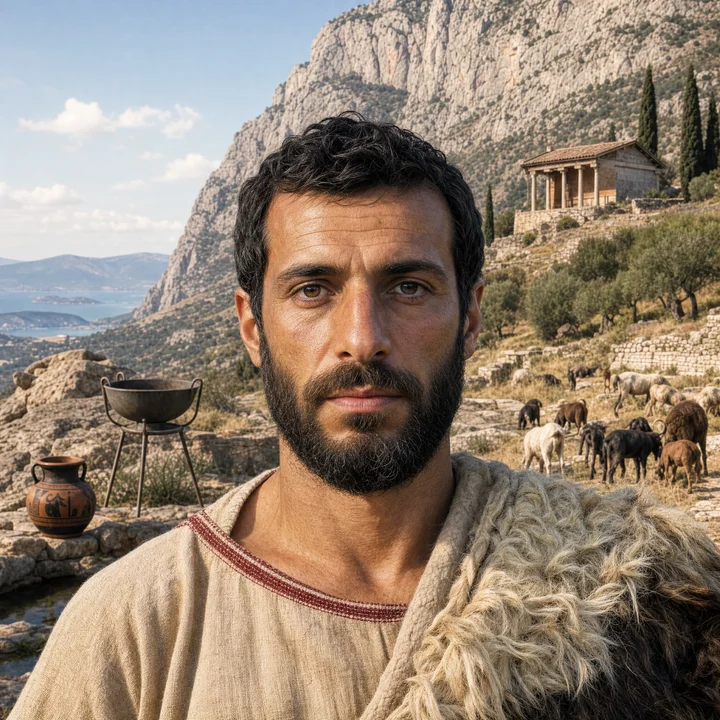
Phocian (700 - 600 BC)
The Archaic Greeks of Phocis around the sanctuary of Delphi, known from seventh-century burials at Kastrouli above the Gulf of Corinth.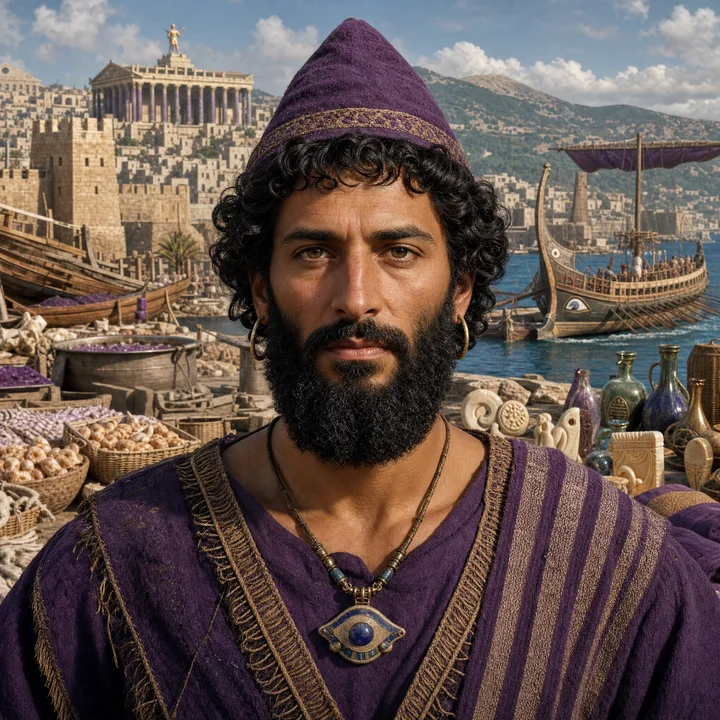
Phoenician (850 - 50 BC)
The Iron Age Levantine seafarers of Tyre, Sidon and Byblos, direct heirs of the Canaanites, who founded colonies across the Mediterranean.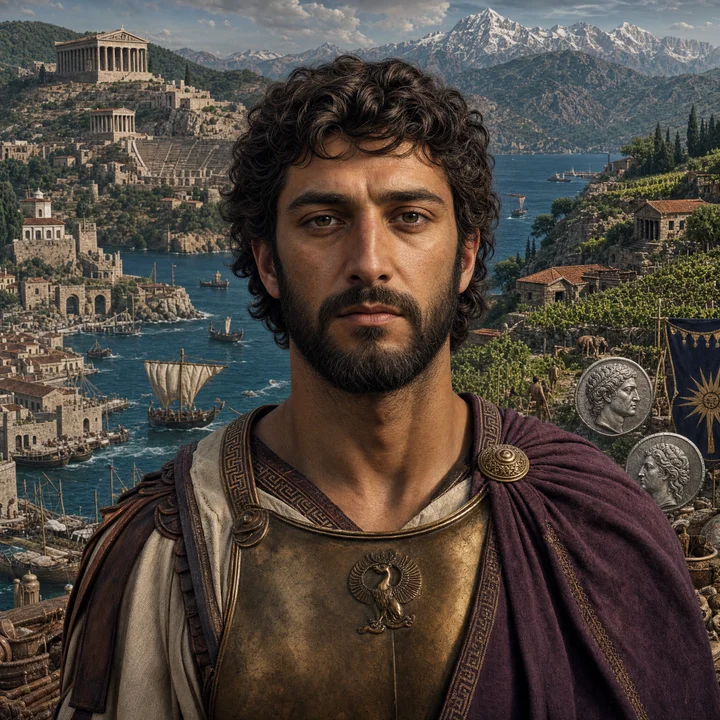
Pontic (300 - 50 BC)
The Hellenistic-era peoples of the northern Black Sea coast, where Greek colonists, Scythians and Sarmatians met.
Proto Albanian (500 - 900 AD)
The early medieval population of the western Balkans in whom the pre-Slavic Illyrian-related ancestry persisted through the Slavic migrations.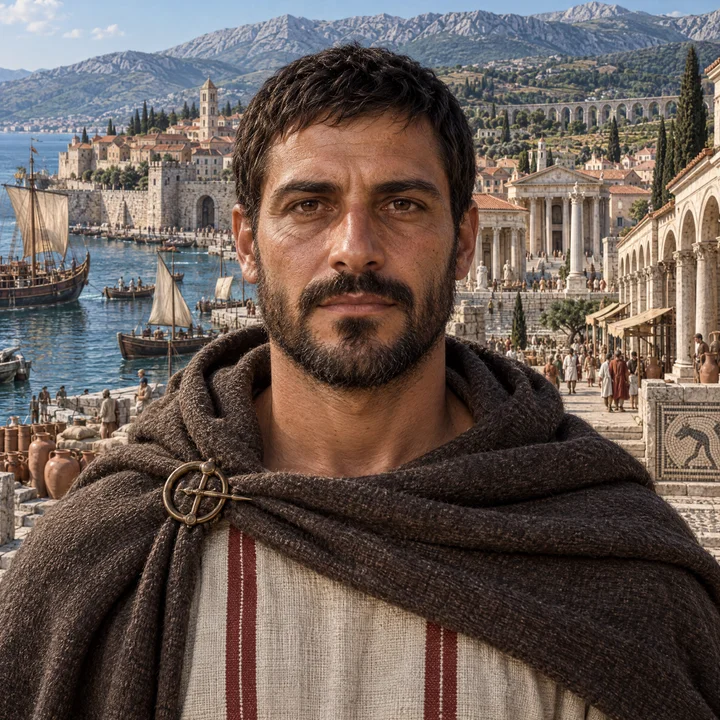
Roman Western Balkans (0 - 600 AD)
The people of Roman Dalmatia, the province that ran along the eastern shore of the Adriatic from Istria to the mountains of Montenegro and northern Albania, known from the harbour towns of Zadar and Trogir, the island of Krk and the legionary fort of Tilurium above the Cetina river, between the first years of Roman rule and the end of the sixth century AD.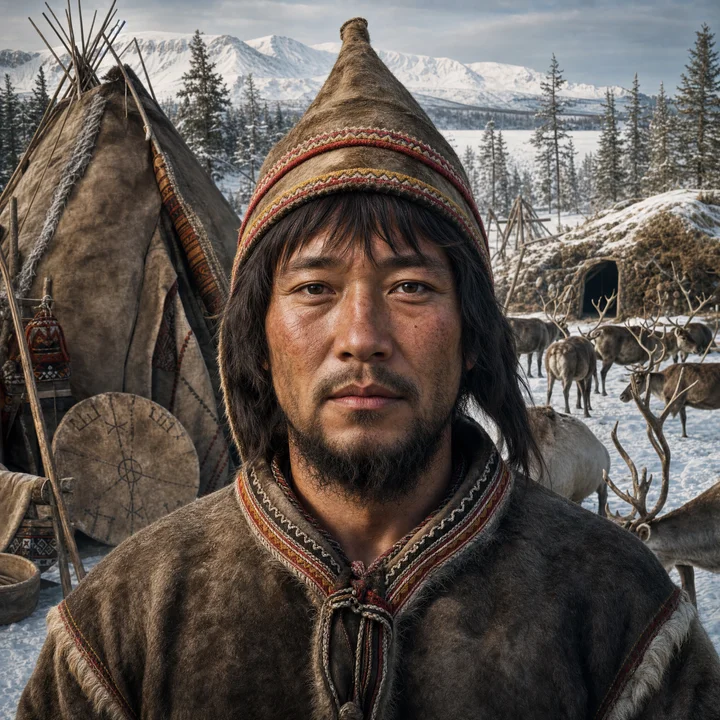
Saami (0 - 700 AD)
The Iron Age ancestors of the Saami of northern Fennoscandia, marked by Europe's strongest Siberian-related ancestry.
Saidu Sharif (25 - 500 AD)
The Buddhist-era townsfolk of the Swat Valley, buried beside the stupa and monastery of Saidu Sharif, continuous with the valley's Iron Age people.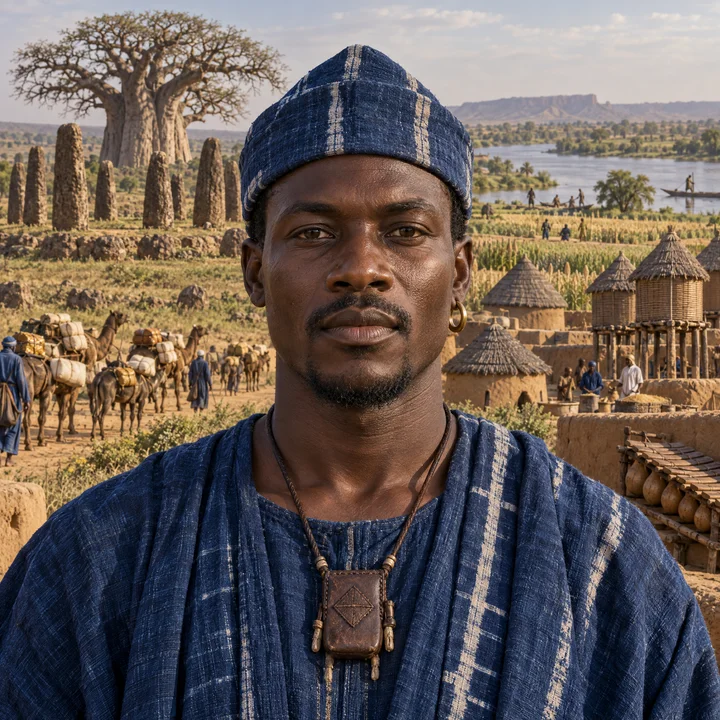
Senegambian and Upper Guinea (1500 BC - 1500 AD)
The peoples of Senegambia and Upper Guinea, stone-circle builders and part of the Mali Empire, represented by present-day Gambian, Mandinka and Mende people.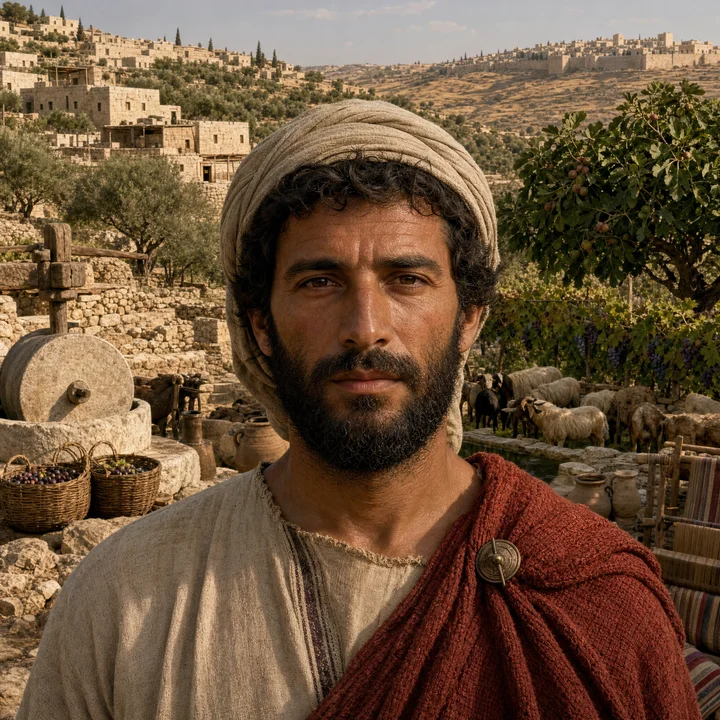
Southern Levant (0 - 600 AD)
The settled population of the southern Levant in the Roman and Byzantine centuries, the layer that Levantine Arabs and Middle Eastern Jewish communities share, represented by present-day genomes of the region.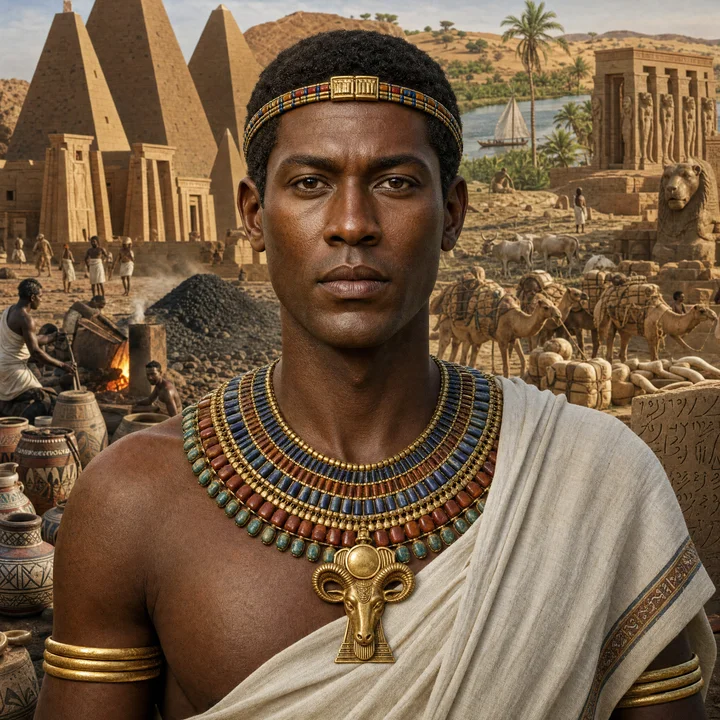
Sub Saharan African (300 BC - 400 AD)
The Iron Age populations of Africa south of the Sahara, during the Bantu expansion and the first trans-Saharan and Red Sea contacts with the Mediterranean.
Thracian (850 - 0 BC)
The Iron Age Thracians of the eastern Balkans, from the Danube to the Aegean, neighbours and rivals of the Greeks and Macedonians.
West Anatolian (0 - 600 AD)
The Roman and early Byzantine population of western Anatolia's Greek cities, where Anatolian and Aegean ancestry met.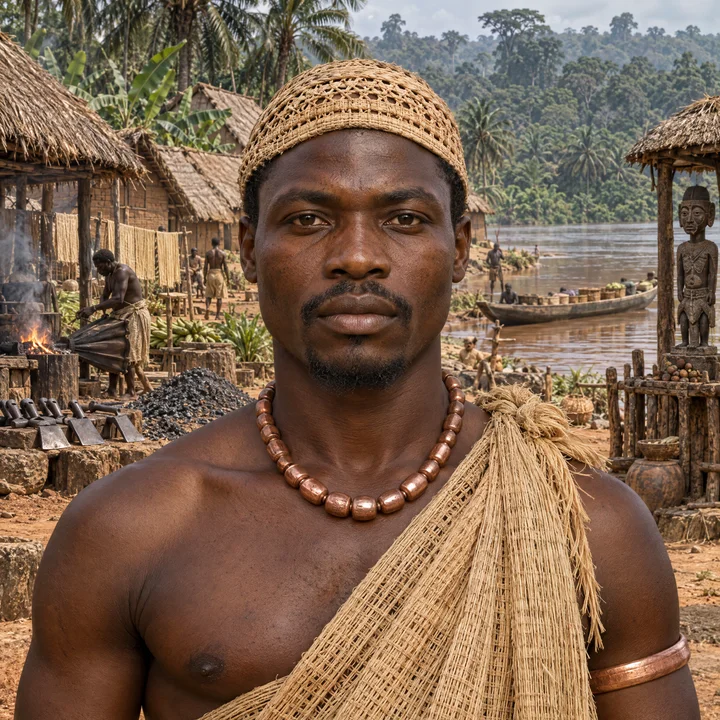
West-Central African Bantu (500 BC - 1500 AD)
The Bantu-speaking farmers of Gabon, the Congo basin and Angola, home of the Kongo kingdom, represented by liberated Africans buried on St Helena.
Hunter Gatherer and Neolithic Farmer
Encompasses the major ancestral components from the Mesolithic through the Neolithic transition (~12,000–4,000 BCE) identified through ancient DNA as the foundational genetic building blocks of modern Eurasian and global populations.
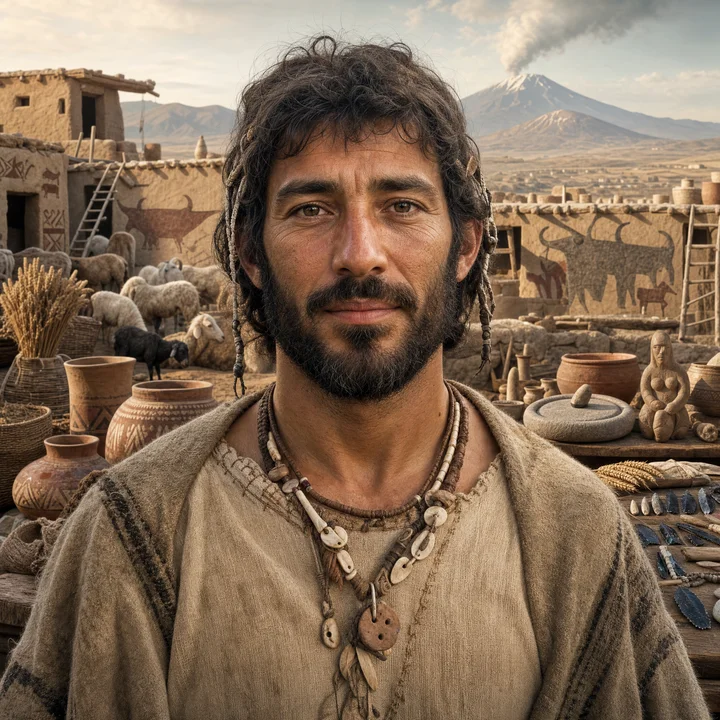
Anatolian Neolithic Farmer (8500 - 6000 BC)
The first farmers of Anatolia, whose descendants carried agriculture into Europe and became the largest ancestry component of the European Neolithic.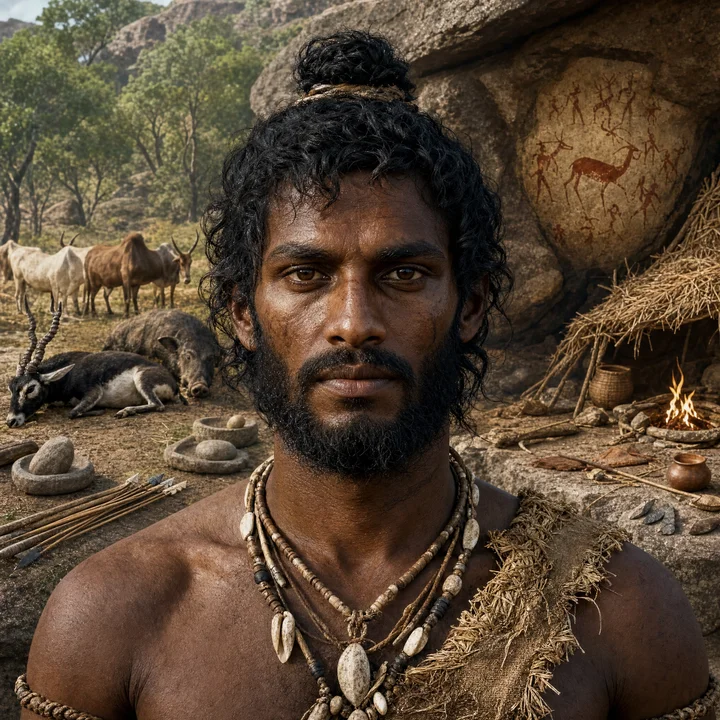
Ancestral South Indian (10000 - 2000 BC)
The deep indigenous ancestry of the Indian subcontinent, reconstructed from ancient and present-day genomes as the southern pole of South Asian variation.
Caucasian Hunter Gatherer (13000 - 7000 BC)
Late Upper Palaeolithic and Mesolithic foragers of the Caucasus, the southern ingredient of steppe ancestry and a distinct pole of West Eurasian variation.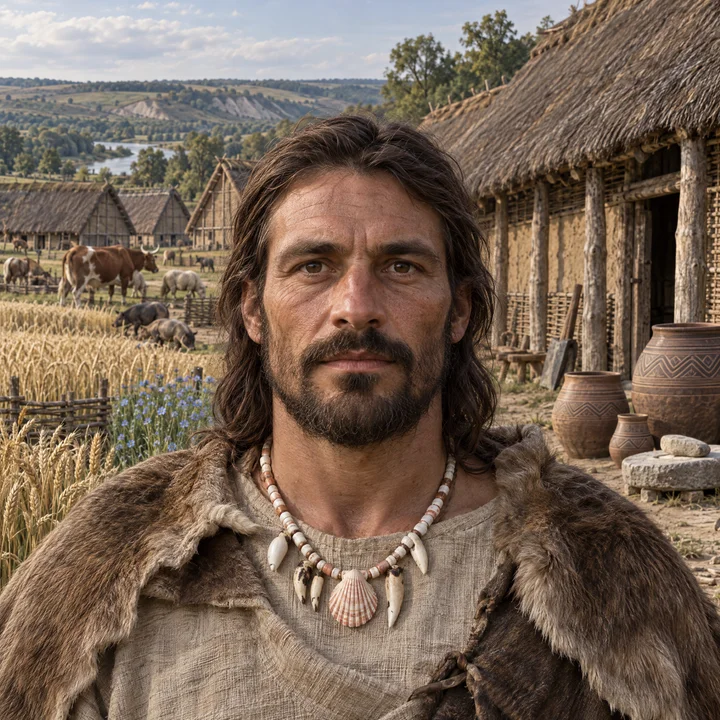
Early European Farmer (5500 - 4900 BC)
The first farmers of central Europe, the Linear Pottery people whose villages of timber longhouses spread from Hungary to France after 5500 BC.
East Asian Neolithic Farmer (5000 - 2000 BC)
The early farming communities of northern and central China, from the Yellow River basin and the Shandong coast to the West Liao River.
Eastern Hunter Gatherer (12000 - 5000 BC)
Mesolithic foragers of the East European forest and steppe, from Karelia to Samara, who carried ancient North Eurasian ancestry into the steppe gene pool.
Iberomaurusian (15000 - 8000 BC)
Late Pleistocene foragers of the Maghreb coast, whose genomes from Taforalt reveal a deep North African lineage with Near Eastern and sub-Saharan connections.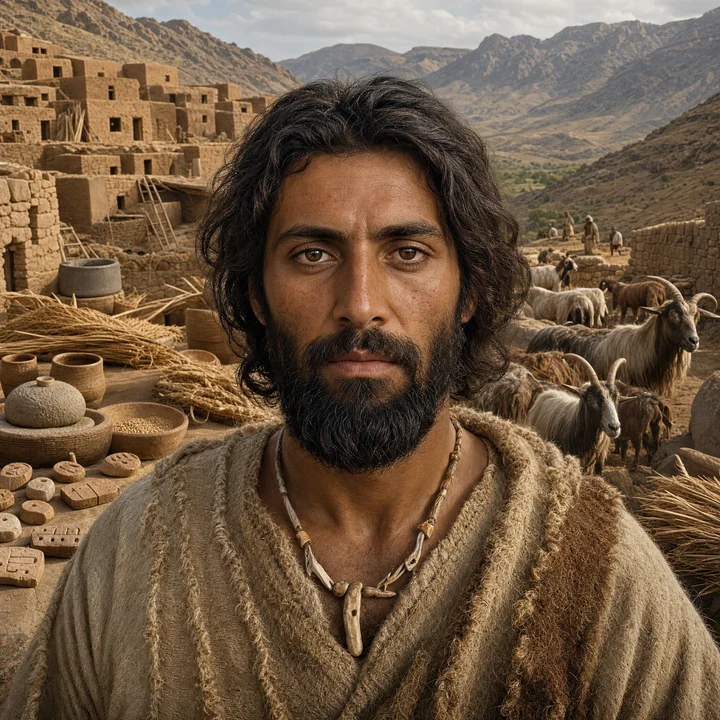
Iranian Neolithic Farmer (8000 - 5000 BC)
The early farmers of the Zagros mountains, a deeply divergent West Asian lineage that seeded ancestry from the Caucasus and Arabia to the Indus.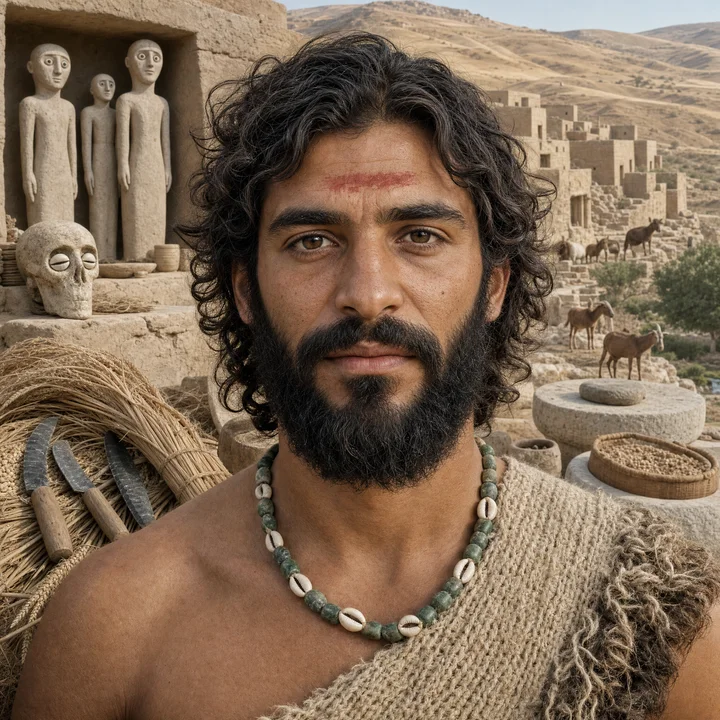
Levantine Neolithic Farmer (8800 - 6500 BC)
The Pre-Pottery Neolithic B villagers of the Levant, Natufian descendants with an Anatolian-related addition, among the first farmers anywhere.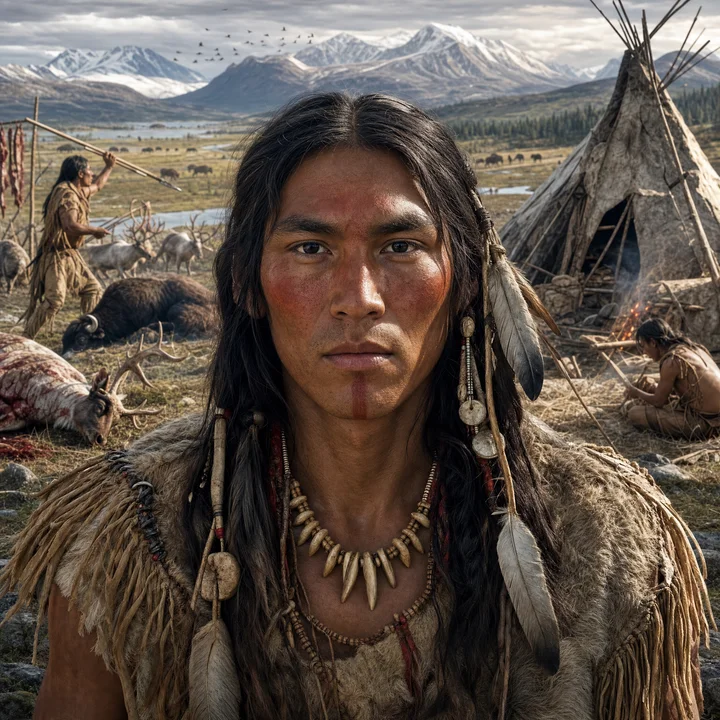
Native American (15000 - 1500 BC)
The founding population of the Americas, descended from Ancient Beringians who crossed from Siberia and diversified from Alaska to Patagonia.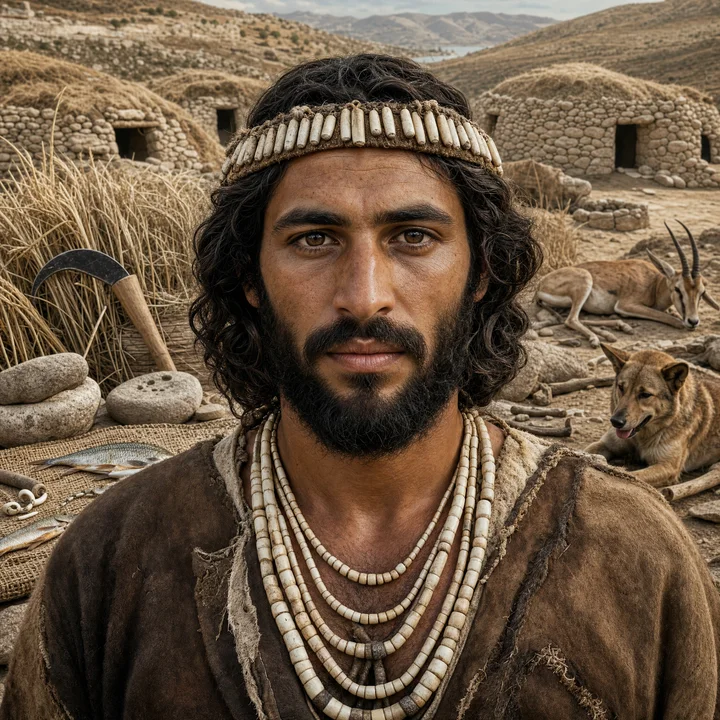
Natufian (12000 - 8000 BC)
Epipalaeolithic foragers of the Levant who lived in the first permanent villages and whose ancestry became the deep Levantine and North African layer.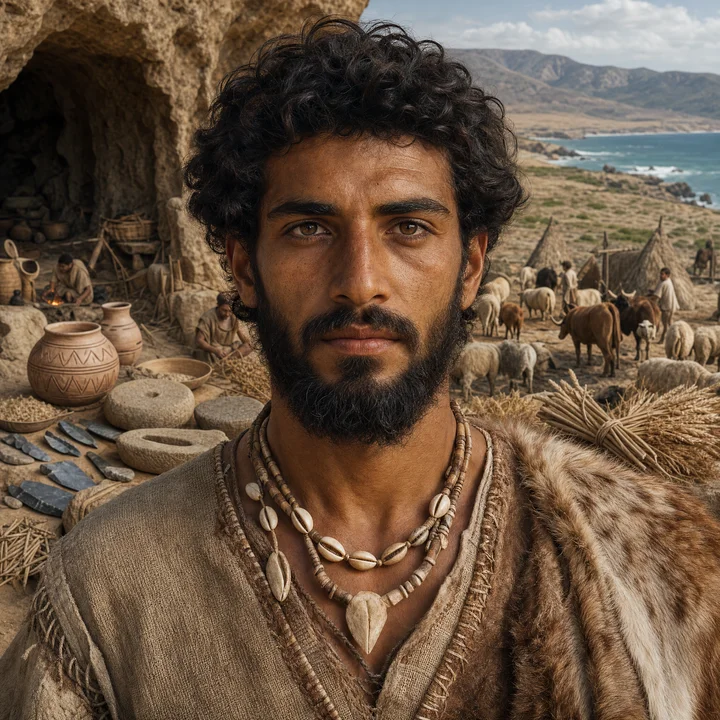
North African Farmer (5200 - 4000 BC)
Neolithic farmers of Morocco who blended the indigenous Iberomaurusian lineage with newcomers from Iberia and the Levant.
Northeast Asian (6000 - 2000 BC)
Neolithic populations of the Amur, Baikal and Mongolian plateau, the northern pole of East Asian ancestry that later fed the steppe nomads.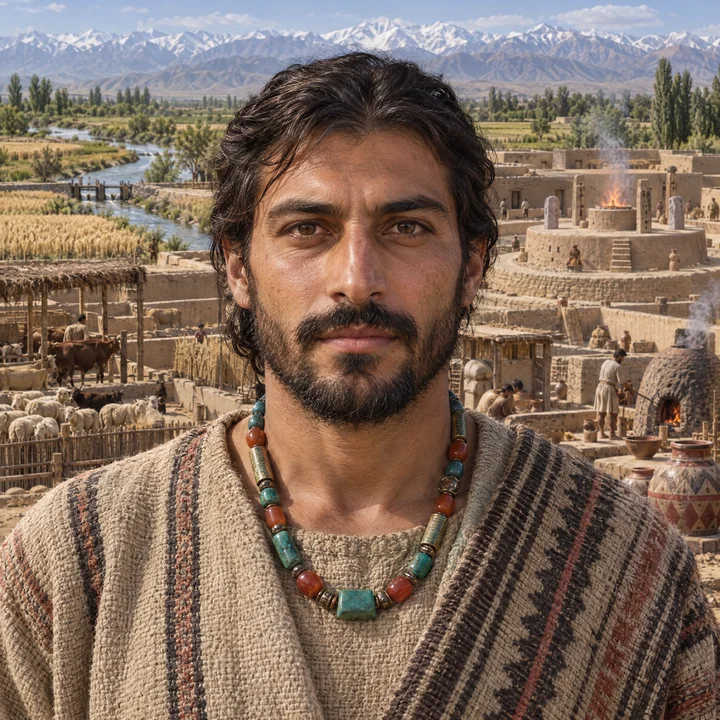
Sarazm Copper Age (3700 - 3300 BC)
The Copper Age townspeople of Sarazm in the Zeravshan valley of Tajikistan, farmers and metalworkers with mostly Iranian plateau ancestry.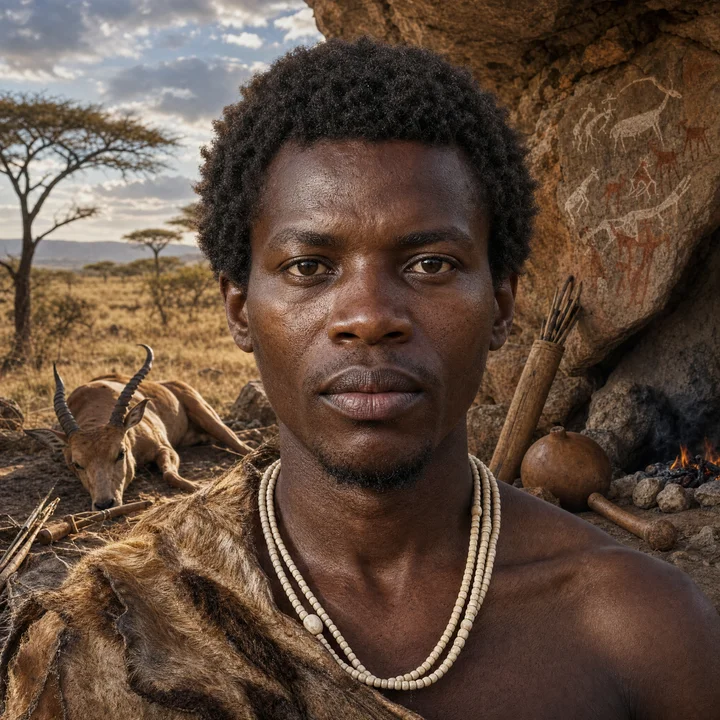
Sub Saharan African
The deep ancestry of Africa south of the Sahara, represented by ancient and present-day genomes from west, east and southern Africa.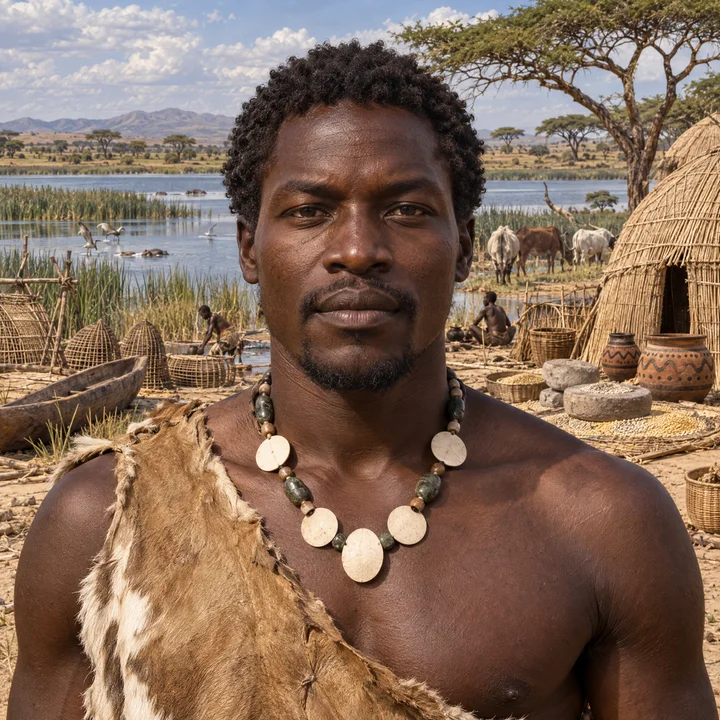
West African (10000 - 1500 BC)
The foragers, fishers and early farmers of West Africa before the Iron Age, from the green Sahara to the Sahel, represented by present-day West African genomes.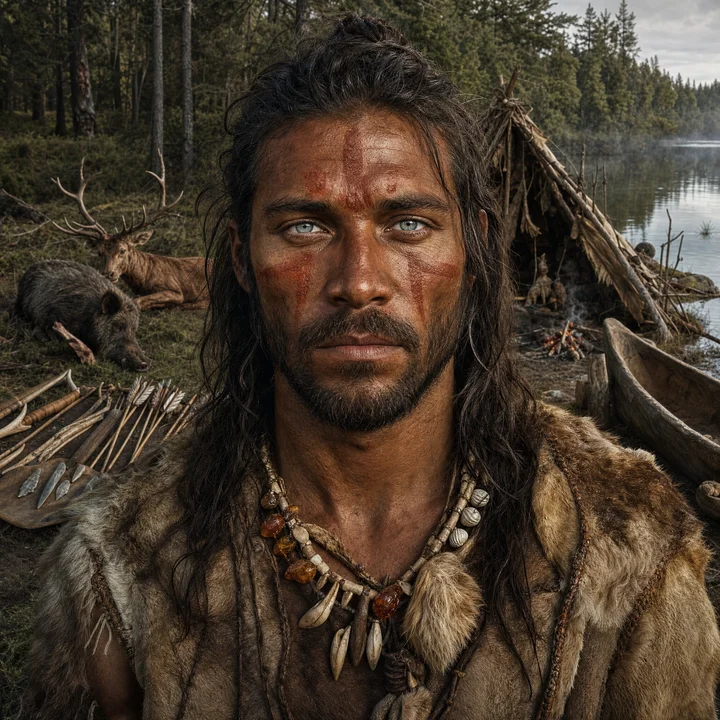
Western Hunter Gatherer (12000 - 6000 BC)
Mesolithic foragers of Western and Central Europe, descendants of the post-glacial recolonisers whose ancestry survives across the continent.
Western Steppe Herder (5000 - 2800 BC)
Eneolithic and Early Bronze Age pastoralists of the Pontic-Caspian steppe, the Yamnaya and their forerunners, whose ancestry reshaped Eurasia.
Download the population catalog
The 68 populations on this page, with their era, date range, description and page URL, as one CSV file you can load into a spreadsheet, R or pandas. It is rebuilt from the live catalog, so a newly published population appears in the file the day it ships.
How to cite
Ancestrify (2026). qpAdm source-population catalog. https://www.ancestrify.io/ancestry
Model your genome against them.
Ancient Ancestry merges your raw file into the AADR reference panel and publishes a statistically tested qpAdm model for every era, with a p-value and a standard error on every proportion.