
Notable Matches · Iconic discoveries
The Chincha Lords
The Chincha Lords (c. 1325-1615 CE · Pampa de los Gentiles, Chincha Valley, Ica, Peru): what the published ancient DNA shows, 6 sequenced genomes, and how close your own Global25 coordinates come. Free with every Ancestry Map.
The dossier
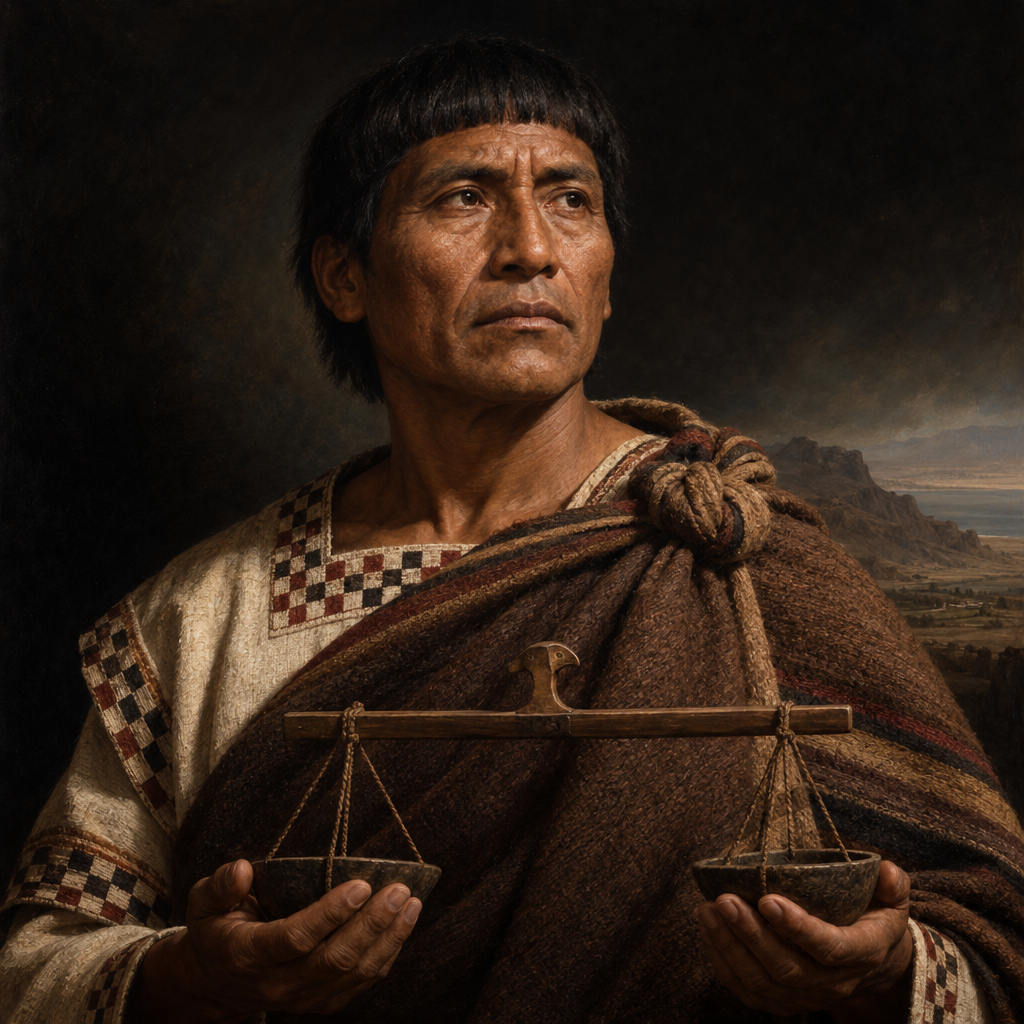
- Catalog tier
- Iconic discoveries
- Period
- c. 1325-1615 CE
- Found
- Pampa de los Gentiles, Chincha Valley, Ica, Peru
- Sequenced genomes
- 6 (UC12_20.SG, UC8_8168.SG, UC12_25.SG, UC12_12.SG, UC12_24.SG, UC8_8173.SG)
Who they were
The Chincha Kingdom of Peru's south coast was a wealthy Late Intermediate polity of farmers, fisherfolk and long-distance merchants, and its dead were laid in chullpas, stone-built tomb chambers, across the Pampa de los Gentiles. Two of those subterranean fieldstone chullpas in the middle Chincha Valley held the six people gathered here. Their genomes delivered a surprise: rather than resembling the valley's own south-coast population, they are closest to the people of Peru's north coast hundreds of kilometres away, with no south-coast mixture at all. That pattern fits the Inca policy of mitmaqkuna, whole communities moved across the empire to serve the state. Indigenous representatives supervised the work, and the findings were shared with the Chincha museum.
The genome-wide data behind this entry was published in Integration of ancient DNA with transdisciplinary dataset finds strong support for Inca resettlement in the south Peruvian coast.
How your distance is measured
Every Ancestry Map includes the free Notable Matches lens: your coordinates are compared to every sequenced member of every catalog entry, and the distance to the closest member is reported, a Euclidean distance in the same 25-dimensional space the Distance lens uses. Because these are a small group of real individuals, not a population average, distances naturally run larger than population distances. That is expected, not a poor result. And one thing is never claimed: a small distance means similar ancestry composition, not that the Chincha Lords are your ancestor. See how it looks in the live demo or read about Ancestry Map, the full Global25 report.
Questions
Who were the Chincha Lords?
The Chincha Lords (c. 1325-1615 CE, Pampa de los Gentiles, Chincha Valley, Ica, Peru) are one of the Iconic discoveries entries in our Notable Matches catalog, represented by 6 sequenced ancient genomes published in the study "Integration of ancient DNA with transdisciplinary dataset finds strong support for Inca resettlement in the south Peruvian coast".
What does "matching" the Chincha Lords mean?
Your Global25 coordinates are compared to the entry's sequenced members and the distance to the closest one is reported, a Euclidean distance in the same 25-dimensional reference space the Distance lens uses. A notable entry is one person or one small burial group, not a population average, so distances naturally run larger than population distances.
Are they my ancestor?
No, and no DNA test can show that. A small distance means your genome sits near theirs in a shared reference space: similar ancestry composition, not descent. Ancestrify never claims a notable individual is your ancestor or relative.
How do I see my own distance to the Chincha Lords?
Notable Matches is a free lens on every Ancestry Map, never sold separately. Order Ancestry Map, our Global25 analysis (29.99 EUR), and your report ranks your coordinates against the full catalog, with a portrait, dossier and map for every entry. The public demo shows the lens with example data.
More from the catalog
The catalog holds every published entry across three tiers. Browse the full Notable Matches directory. Nearby entries:
The Retainers of Machu Picchuc. 1420-1530 CE
The Latte Builders of the Marianasc. 1250-1650 CE
The Albanians of Arbëriac. 1400-1700 CE
The Peoples of Tierra del Fuegoc. 1250-1900 CE
The Chumash of Santa Rosa Islandc. 1250-1450 CE
The Black Death Londonersc. 1330-1360 CE
The Jews of Tàrrega1348 CE
The Roma of Barçc. 1500-1700 CE
The Coastal Papuans of Nebirac. 1400-1800 CE
The Jews of Medieval Erfurtc. 1270-1400 CE
The Medieval Bosnians13th-15th century CE
The Christians of Norman Segestac. 1120-1320 CE